Worldwide shipping
Shipping & Returns
Quality assured
Find retail locations
Expert support
For All Your Questions
Fast and secure
For All Your Questions

Shipping & Returns
Find retail locations
For All Your Questions
For All Your Questions
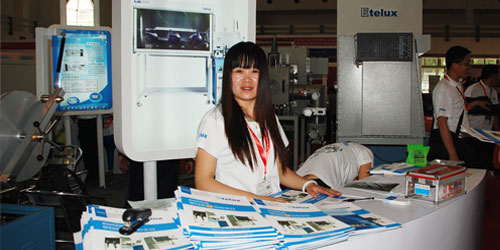
In case we have not met, I’m Alexa Williams, Ask Alexa. I have worked here at Etelux for almost 15 years establishing great relationships with our customers and partners. Throughout my career at Etelux, I have had the pleasure of advocating for you, the customer, to make sure that you are taken care of. Most of the time, I am the friendly voice that answers the corporate phone line, so if we have not met in person, I’m sure we have talked. This form is to reach me directly, and I will respond as soon as I can. You can ask me anything, such as questions about our enclosures, help with which replacement parts to order, certification questions, etc…
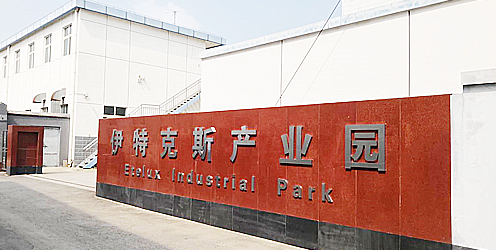
Serving the Chinese scientific industry for over 15 years, discover how quality products, competitive pricing, and next day delivery allow us to achieve our mission “Enabling Technology for a Better World ".
Ultricies eu consectetur vitae donec scelerisque ante a ut morbi aptent tincidunt est non sagittis ut.



Shipping & Returns
Find retail locations
For orders above $100
For All Your Questions
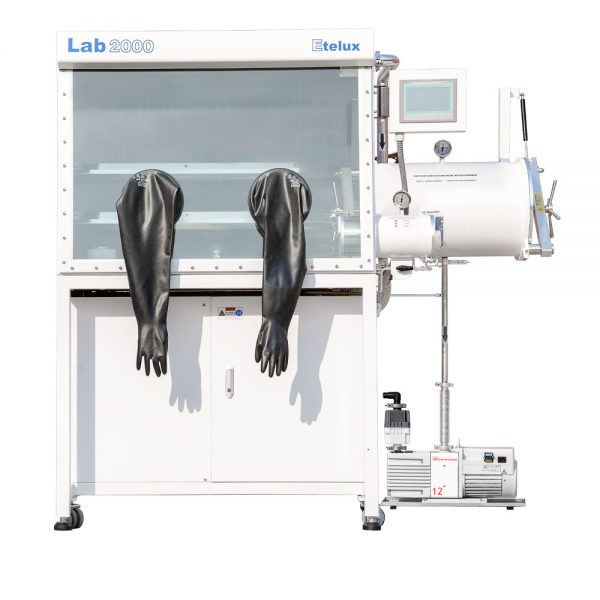
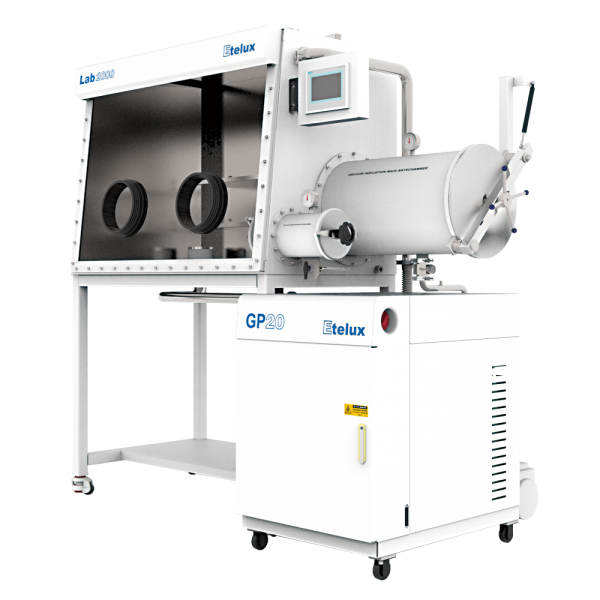
Buying a glovebox often turns into a spec-sheet comparison: lowest ppm, biggest chamber, strongest purifier.
But the smartest buyers don’t start with ppm—they start with workflow.
Because the “best glovebox” for a battery lab can be the wrong choice for solvent-heavy synthesis. The same goes for perovskites, microelectronics, powders, or containment work.
This blog breaks down four common glovebox use-cases and the configurations that actually matter for each—so you can spec faster and avoid overpaying for the wrong features.
What breaks your process: moisture spikes and inconsistent transfer discipline.
Even small water exposure can ruin electrolyte handling, interphases, and cell performance.
Prioritize:
Common mistake: buying a large chamber but ignoring antechamber throughput—then losing hours per week waiting for recovery.
What breaks your process: not only moisture/oxygen, but temperature instability and solvent vapor load.
If coating results vary, the glovebox might be “clean” but thermally inconsistent.
Prioritize:
Common mistake: controlling “air ppm” while ignoring surface temperature and evaporation behavior at the process zone.
What breaks your process: outgassing, operator variance, and poorly managed transfers.
Chemistry workflows often involve containers, powders, and repeated handling—small habits cause big drift.
Prioritize:
Common mistake: bringing packaging and solvent-cleaned parts inside without pre-conditioning—then blaming the purifier for slow recovery.
What breaks your process: safety gaps—not ppm.
In containment applications, the priority shifts to protecting operators and the environment.
Prioritize:
Common mistake: buying an “inert glovebox” for a containment job without designing the safety and decontamination workflow.
Before you compare suppliers, answer these internally (or send them to your vendor):
If a supplier can’t translate your answers into a clear configuration recommendation, they’re selling a box—not a solution.
No account yet?
Create an Account