Worldwide shipping
Shipping & Returns
Quality assured
Find retail locations
Expert support
For All Your Questions
Fast and secure
For All Your Questions

Shipping & Returns
Find retail locations
For All Your Questions
For All Your Questions
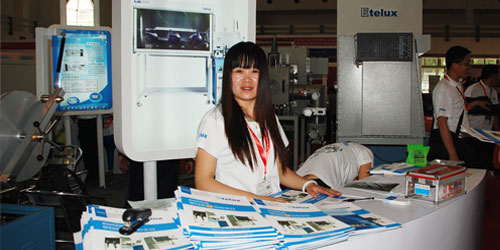
In case we have not met, I’m Alexa Williams, Ask Alexa. I have worked here at Etelux for almost 15 years establishing great relationships with our customers and partners. Throughout my career at Etelux, I have had the pleasure of advocating for you, the customer, to make sure that you are taken care of. Most of the time, I am the friendly voice that answers the corporate phone line, so if we have not met in person, I’m sure we have talked. This form is to reach me directly, and I will respond as soon as I can. You can ask me anything, such as questions about our enclosures, help with which replacement parts to order, certification questions, etc…
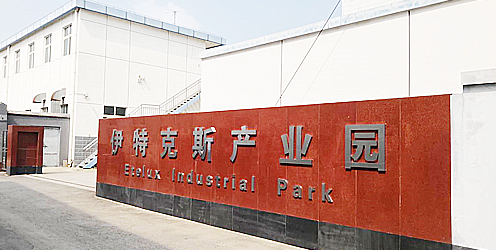
Serving the Chinese scientific industry for over 15 years, discover how quality products, competitive pricing, and next day delivery allow us to achieve our mission “Enabling Technology for a Better World ".
Ultricies eu consectetur vitae donec scelerisque ante a ut morbi aptent tincidunt est non sagittis ut.



Shipping & Returns
Find retail locations
For orders above $100
For All Your Questions

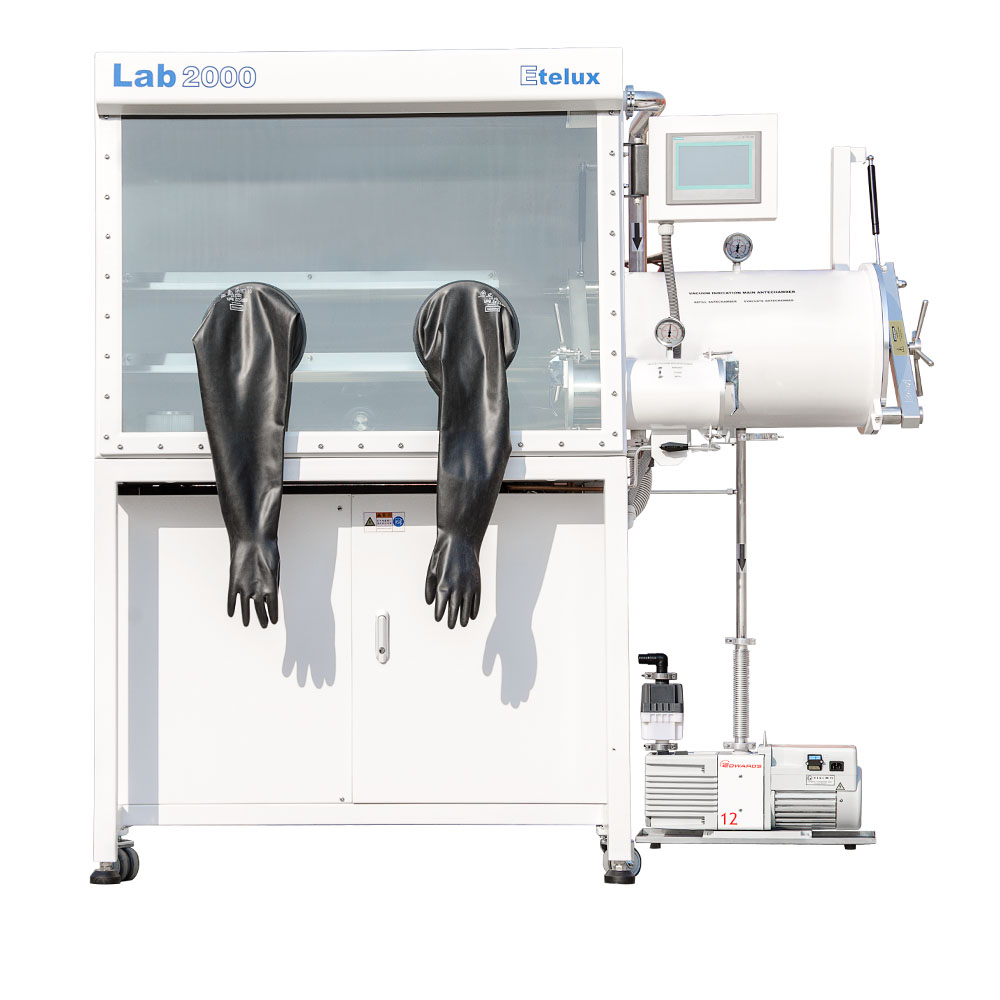
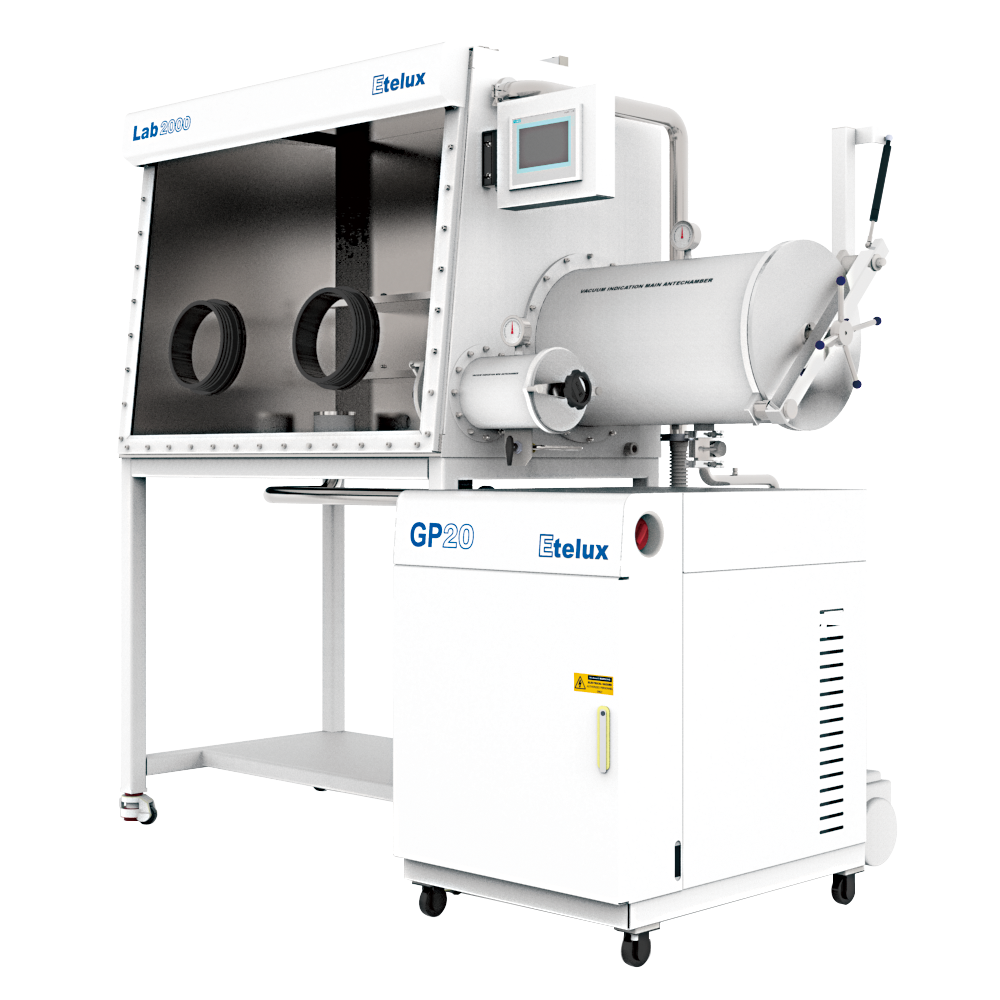
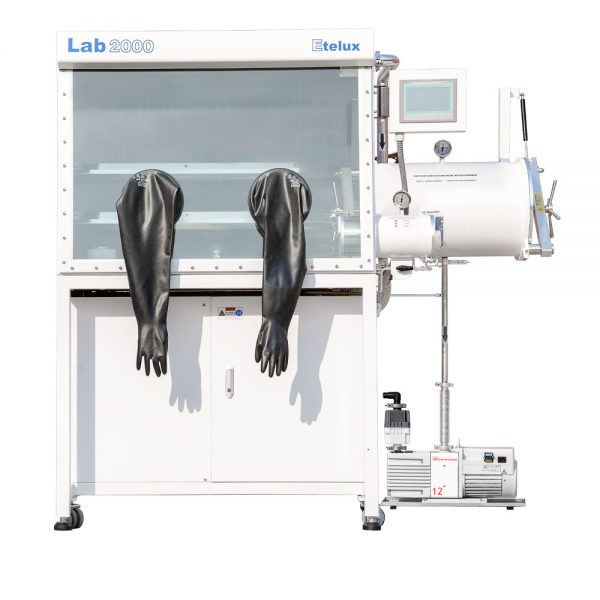
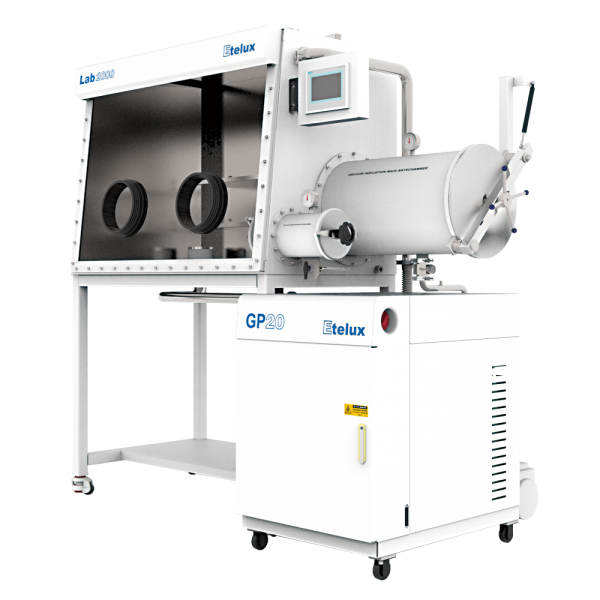
Most glovebox suppliers can show you a clean spec sheet: stainless chamber, O₂/H₂O sensors, purification, an antechamber, and a ppm number that looks impressive.
But here’s the uncomfortable truth: a glovebox is not judged by its “best ppm on a good day.”
It’s judged by how stable it stays through real workflows, how fast it recovers after transfers, and how painful (or painless) it is to maintain after six months of daily use.
If you want a glovebox that remains reliable and cost-efficient over years—not weeks—these are the six questions that separate a smart purchase from a regret.
Many buyers only ask: “Do you have oxygen and moisture sensors?”
The better question is: Will those sensors still read correctly after months of exposure, vibration, temperature cycles, and normal operations?
What to look for:
Ask your supplier:
Leak rate and stability are not only about the metal chamber. They’re heavily influenced by:
Over time, seals age. They compress. They get exposed to solvents. They wear.
So the question isn’t “What seal material is it?” but “Is this a standardized part I can replace quickly and affordably?”
A glovebox becomes expensive when:
Ask your supplier:
Gloves will tear. It’s not a possibility; it’s a calendar event.
When a glove tears, you want:
Material compatibility matters more than people think:
Ask your supplier:
If the supplier can’t explain glove material selection clearly, you’re likely to burn through gloves—or risk contamination.
A glovebox doesn’t fail only because of equipment limitations. It fails because humans are human:
The worst-case scenario is simple:
main chamber valve open while antechamber is at atmosphere → instant contamination.
The solution is not “be careful.”
The solution is interlocks and clear status logic that prevents dangerous sequences from happening.
Ask your supplier:
A glovebox without proper interlocks is like a lab with no emergency shutoff: it might run fine—until it doesn’t.
Two gloveboxes can have the same outer size, but totally different daily usability.
What changes the operator experience:
If operators get tired or awkwardly positioned, mistakes increase. Productivity drops.
The glovebox becomes “technically capable” but practically frustrating.
Ask your supplier:
The purchase price is the beginning.
The real cost of a glovebox includes:
A good system is predictable:
A painful system is vague:
Ask your supplier:
Low ppm is good, but it’s not the full story.
For long-term stability and a sane workflow, prioritize:
If you want a fast way to filter suppliers, do this:
Copy these six sections and send them to every vendor.
The vendor who answers clearly—with real procedures and typical ranges—will usually be the one you can rely on later.
No account yet?
Create an Account