Worldwide shipping
Shipping & Returns
Quality assured
Find retail locations
Expert support
For All Your Questions
Fast and secure
For All Your Questions

Shipping & Returns
Find retail locations
For All Your Questions
For All Your Questions
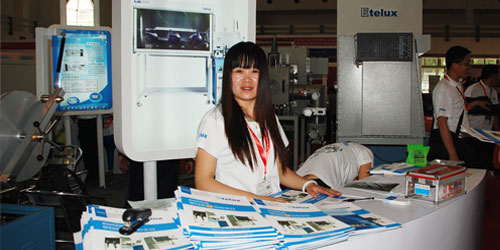
In case we have not met, I’m Alexa Williams, Ask Alexa. I have worked here at Etelux for almost 15 years establishing great relationships with our customers and partners. Throughout my career at Etelux, I have had the pleasure of advocating for you, the customer, to make sure that you are taken care of. Most of the time, I am the friendly voice that answers the corporate phone line, so if we have not met in person, I’m sure we have talked. This form is to reach me directly, and I will respond as soon as I can. You can ask me anything, such as questions about our enclosures, help with which replacement parts to order, certification questions, etc…
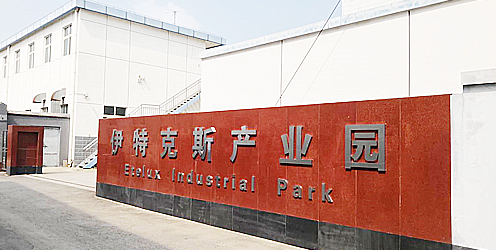
Serving the Chinese scientific industry for over 15 years, discover how quality products, competitive pricing, and next day delivery allow us to achieve our mission “Enabling Technology for a Better World ".
Ultricies eu consectetur vitae donec scelerisque ante a ut morbi aptent tincidunt est non sagittis ut.




Shipping & Returns
Find retail locations
For orders above $100
For All Your Questions

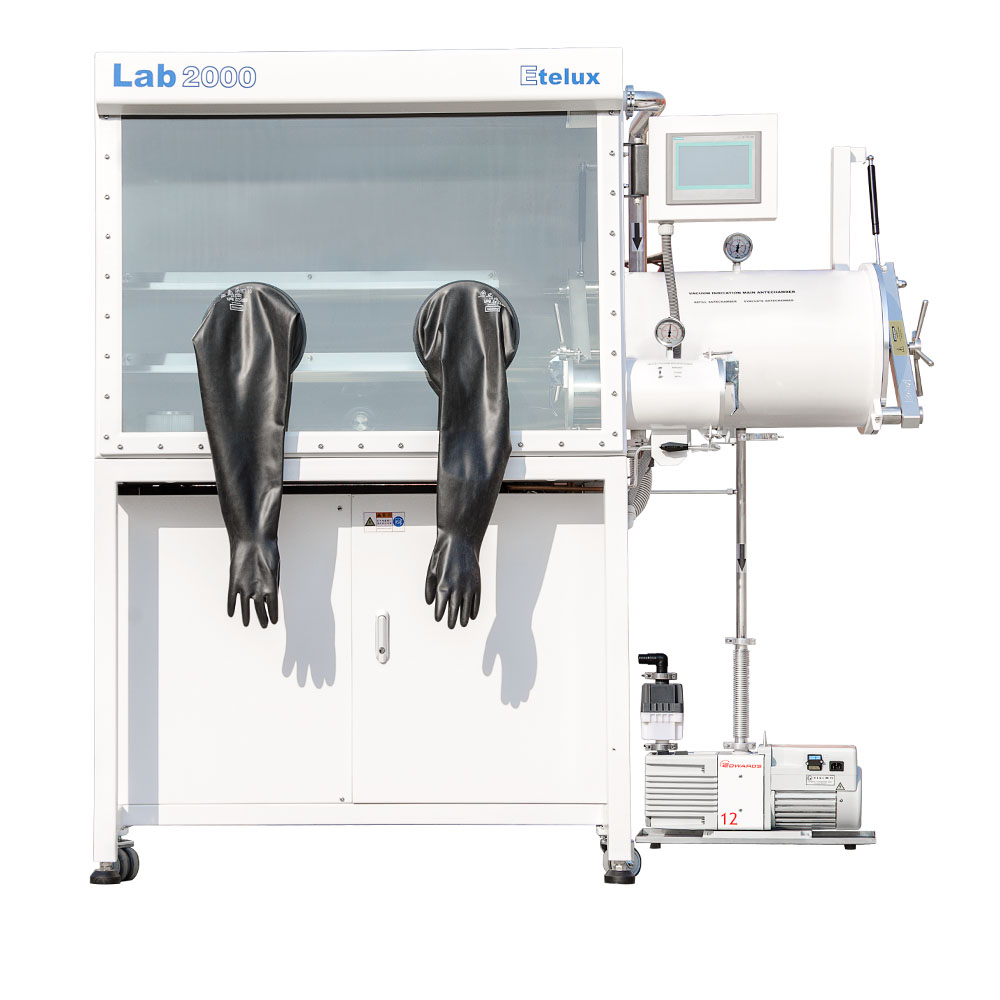
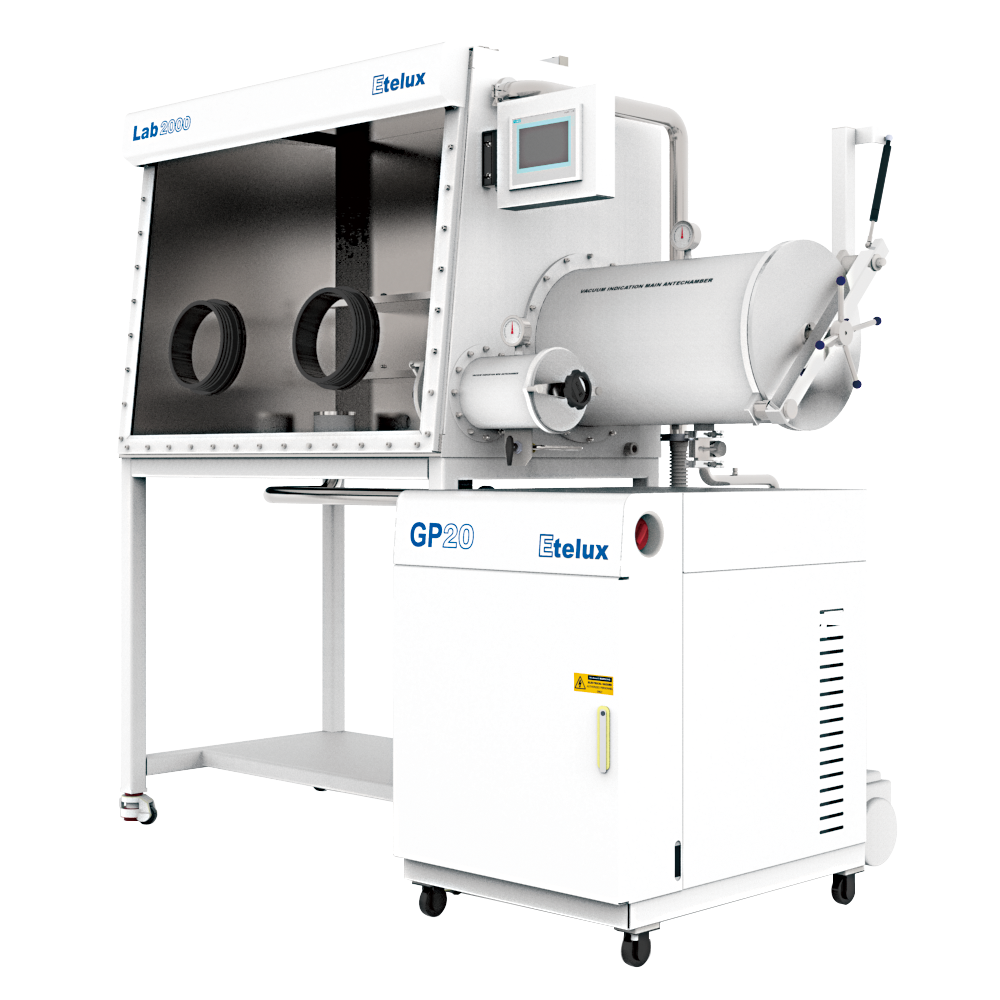
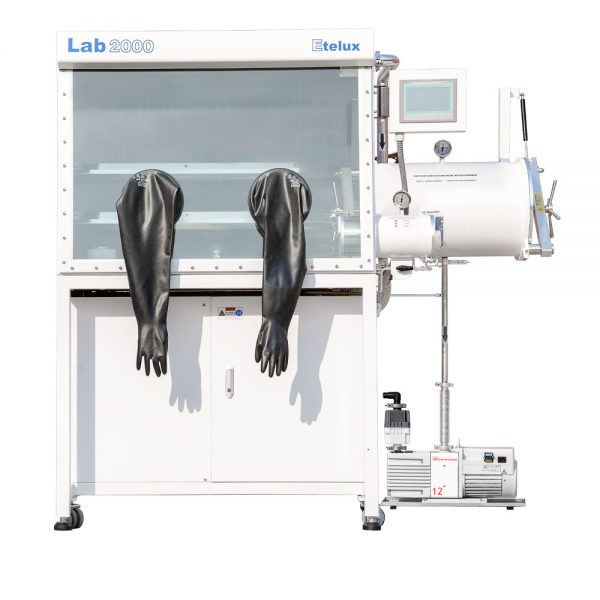
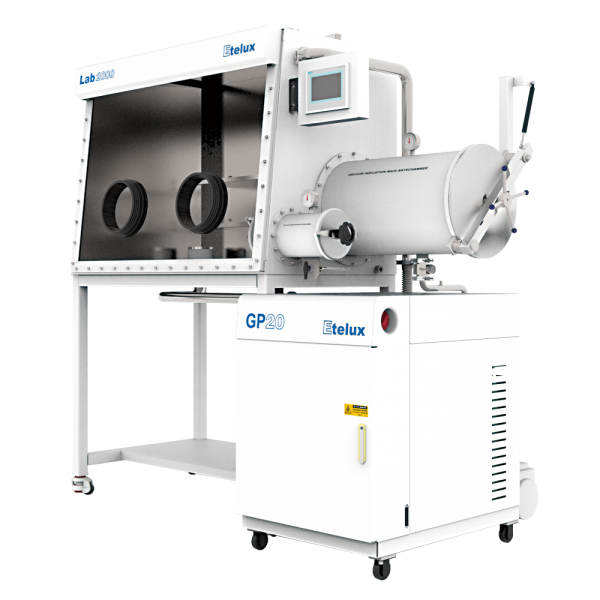
For most labs, a glove box exists for one core reason:
To let you safely and repeatably handle anything that cannot see air or moisture.
Typical applications include:
Without a glove box you face ruined samples, drifting results, batch-to-batch variation and real safety risks.
In other words, a glove box is essentially buying you stability, repeatability and safety.
Many people choose a glove box by chamber size and price only. That’s how you get burned.
What really defines the user experience are the following points:
These points rarely sit on the first page of a brochure, but they decide how happy you are every day:
Here’s a quick checklist you can run through for any existing or candidate system:
The safest way to avoid a bad decision:
Define your processes, materials and expected throughput first, then design the configuration around that –
build the glove box around your process, not force your process around the hardware.
For many labs, a stable glove box directly determines:
No account yet?
Create an Account