Worldwide shipping
Shipping & Returns
Quality assured
Find retail locations
Expert support
For All Your Questions
Fast and secure
For All Your Questions

Shipping & Returns
Find retail locations
For All Your Questions
For All Your Questions
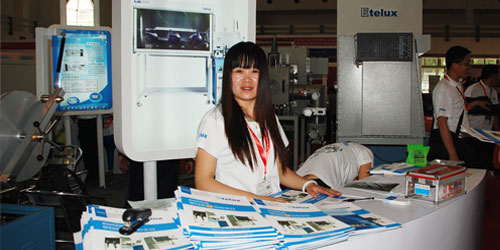
In case we have not met, I’m Alexa Williams, Ask Alexa. I have worked here at Etelux for almost 15 years establishing great relationships with our customers and partners. Throughout my career at Etelux, I have had the pleasure of advocating for you, the customer, to make sure that you are taken care of. Most of the time, I am the friendly voice that answers the corporate phone line, so if we have not met in person, I’m sure we have talked. This form is to reach me directly, and I will respond as soon as I can. You can ask me anything, such as questions about our enclosures, help with which replacement parts to order, certification questions, etc…
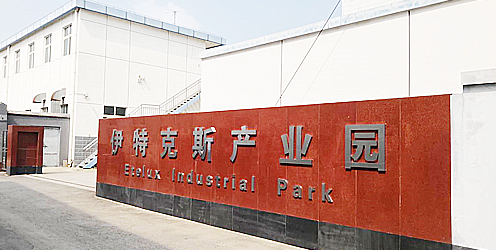
Serving the Chinese scientific industry for over 15 years, discover how quality products, competitive pricing, and next day delivery allow us to achieve our mission “Enabling Technology for a Better World ".
Ultricies eu consectetur vitae donec scelerisque ante a ut morbi aptent tincidunt est non sagittis ut.


Shipping & Returns
Find retail locations
For orders above $100
For All Your Questions
Modern welding often needs more than just strong joints – it also demands leak-tightness, low contamination, very clean and smooth surfaces. This is critical in high-end applications such as aerospace and Formula 1, where welding quality must be perfect.
Early on, argon shielding gas was used to protect molten metal from oxygen, moisture and nitrogen, reducing oxides, toxic fumes and discoloration. However, manual shielding methods (gas lenses, trailing shields, backing bars) depend heavily on highly trained operators and are often difficult or unsuitable for complex parts.
Titanium is especially sensitive: even small amounts of oxygen, moisture or nitrogen – sometimes below the melting point – can make the metal brittle. Any discoloration on the weld shows that unwanted reactions with air have occurred despite shielding.
Because of these limitations, manual shielding cannot always prevent contamination.
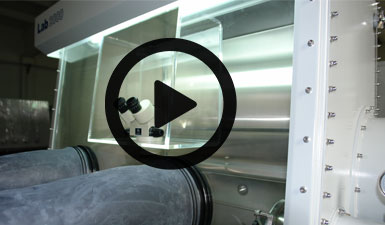
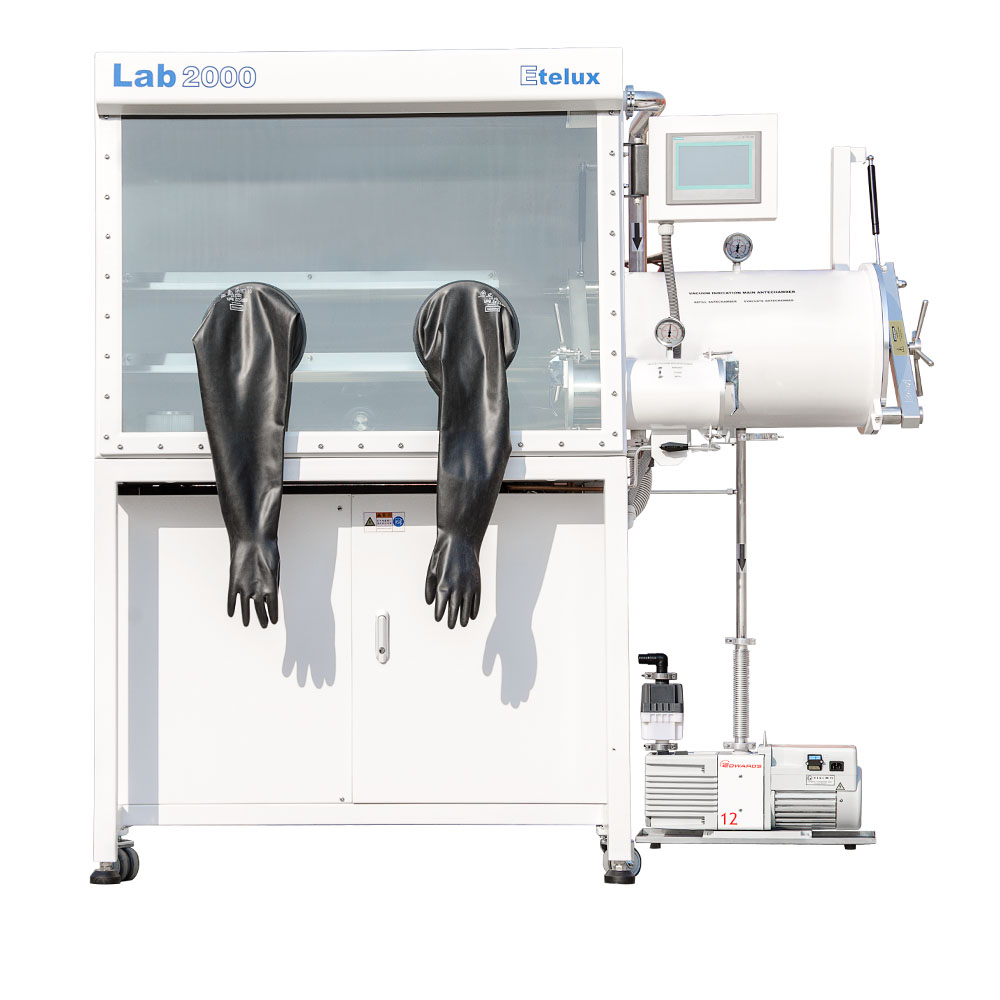
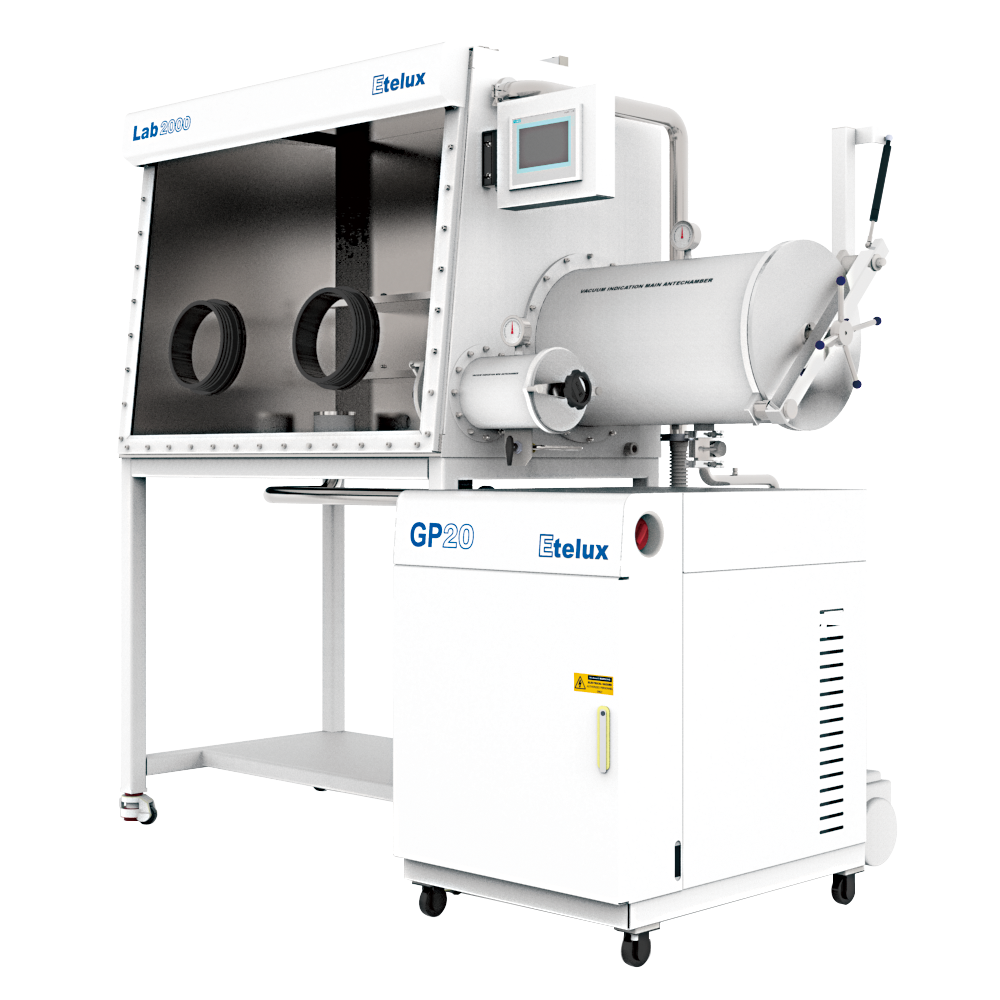
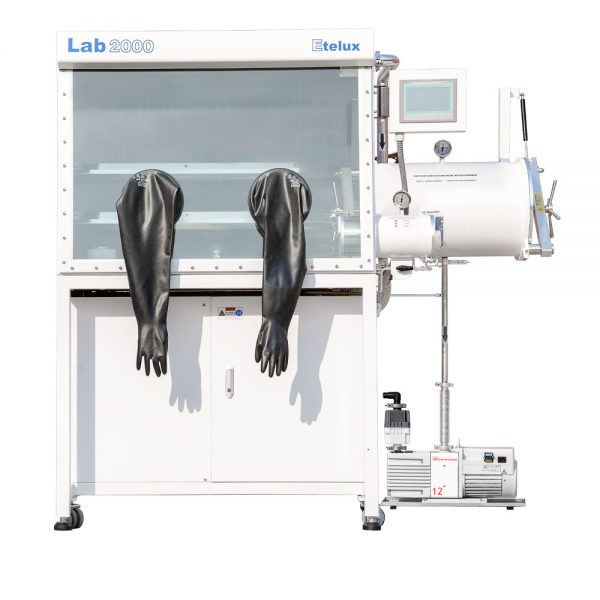
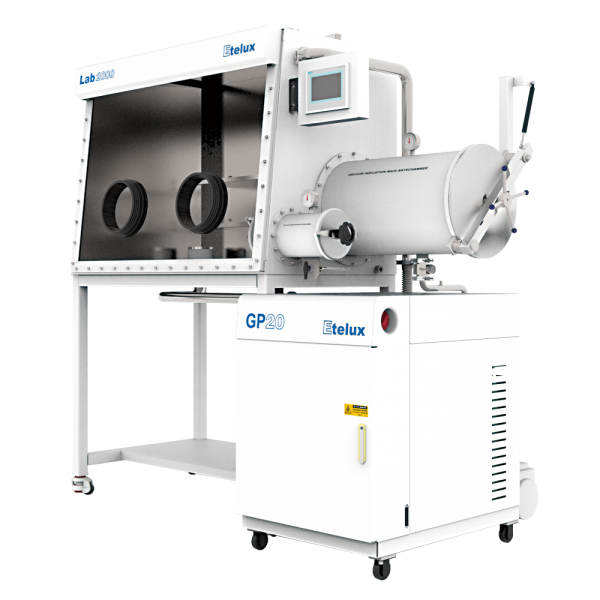
Using inert gas welding chambers (welding gloveboxes) reliably excludes reactive gases and moisture. Levels of oxygen, nitrogen, moisture and solvent vapors can be reduced to below 1 ppm.
Although the chambers may look cumbersome at first glance, the benefits are clear:
Full protection of both weld root and cap, independent of geometry or part complexity
Typically made from stainless steel
Can include handling systems, fume extraction and viewing windows or radiation shields
Oxygen & nitrogen-free environment
Prevents oxide and nitride formation
Reduces welding fumes
Produces smooth weld seams
Often eliminates post-weld cleaning or rework
Moisture-free environment
No water film on the base metal
Clean, bubble-free weld seam
Parts can be pre-dried in a heated antechamber to remove adsorbed water
Closed inert gas system
Stable, reproducible and documented atmosphere for controlled welding
Highest end-product quality
No waste of expensive inert gas (recirculation and purification, as in gloveboxes)
Complete removal of welding fumes
No release of toxic alloy components
Complex geometries can be welded without extra local shielding
No scrap caused by poor gas shielding
No account yet?
Create an Account