Worldwide shipping
Shipping & Returns
Quality assured
Find retail locations
Expert support
For All Your Questions
Fast and secure
For All Your Questions

Shipping & Returns
Find retail locations
For All Your Questions
For All Your Questions
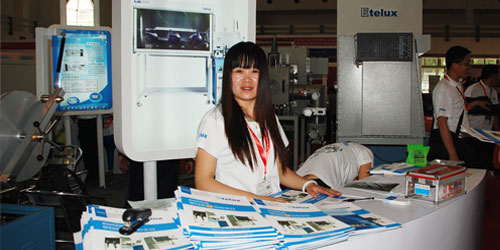
In case we have not met, I’m Alexa Williams, Ask Alexa. I have worked here at Etelux for almost 15 years establishing great relationships with our customers and partners. Throughout my career at Etelux, I have had the pleasure of advocating for you, the customer, to make sure that you are taken care of. Most of the time, I am the friendly voice that answers the corporate phone line, so if we have not met in person, I’m sure we have talked. This form is to reach me directly, and I will respond as soon as I can. You can ask me anything, such as questions about our enclosures, help with which replacement parts to order, certification questions, etc…
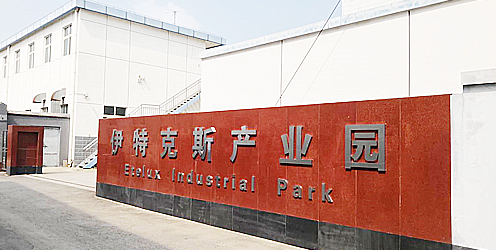
Serving the Chinese scientific industry for over 15 years, discover how quality products, competitive pricing, and next day delivery allow us to achieve our mission “Enabling Technology for a Better World ".
Ultricies eu consectetur vitae donec scelerisque ante a ut morbi aptent tincidunt est non sagittis ut.




Shipping & Returns
Find retail locations
For orders above $100
For All Your Questions

A common buying instinct is simple: bigger is better.
More space, more flexibility, easier to place equipment inside—sounds logical.
But in gloveboxes, “bigger” can quietly create the exact problems you’re trying to avoid:
This blog explains why oversized gloveboxes often underperform—and how to size correctly based on real work.
Your glovebox stability is a balance between:
When volume increases, the system often needs to work harder to achieve the same practical outcomes:
If the purification and circulation design does not scale correctly, you get a larger chamber with less stable conditions.
Buyer reality check: a big chamber with average circulation can be worse than a moderate chamber with excellent circulation and purge design.
Volume isn’t the only scaling problem—surface area is.
Every internal surface (walls, fixtures, shelves, tooling) can:
This is why some gloveboxes look “clean” after initial commissioning, but become slower to recover after weeks of real use—especially when oversized chambers encourage clutter.
Key point: bigger gloveboxes invite more stored items, and stored items outgas. That’s not a moral failure—it’s physics.
When space is abundant, users tend to:
That turns the glovebox into a storage room, which is a guaranteed path to:
A glovebox should be a controlled workspace, not a warehouse.
Most users don’t lose time because the chamber is “too small.”
They lose time because:
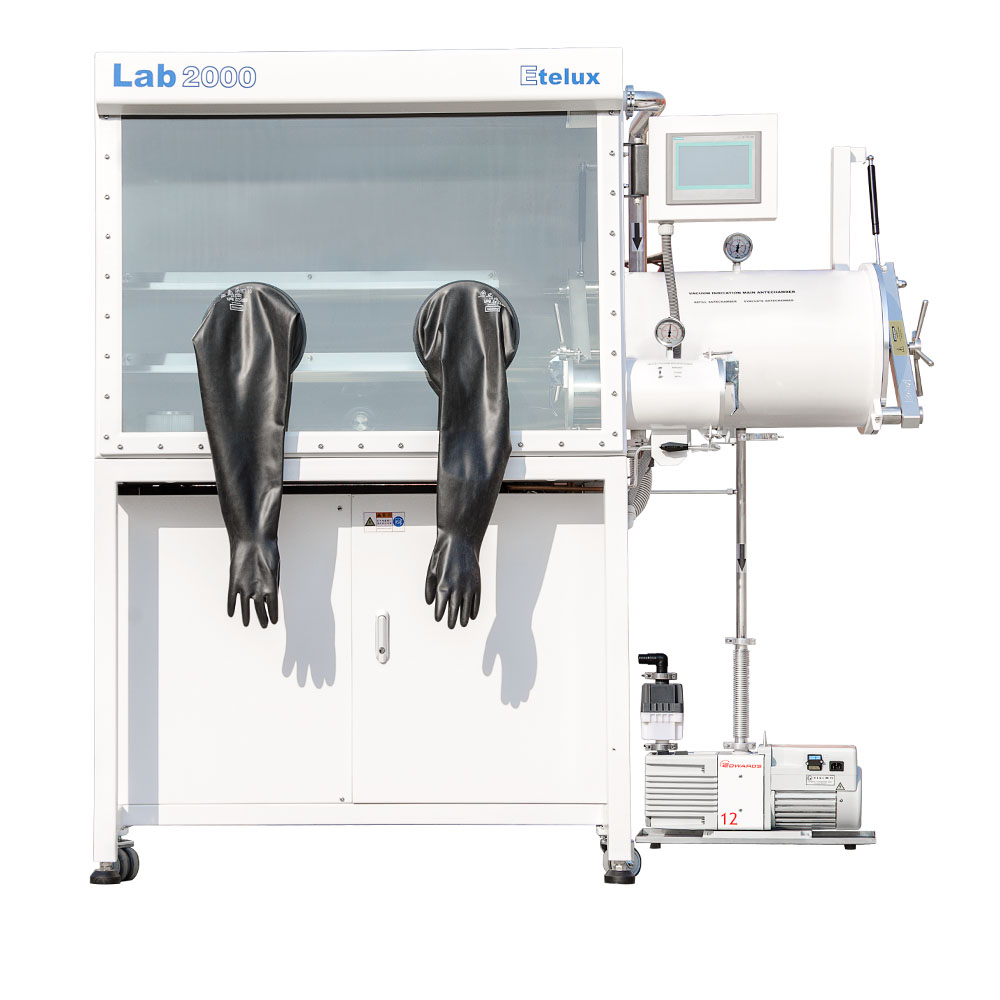
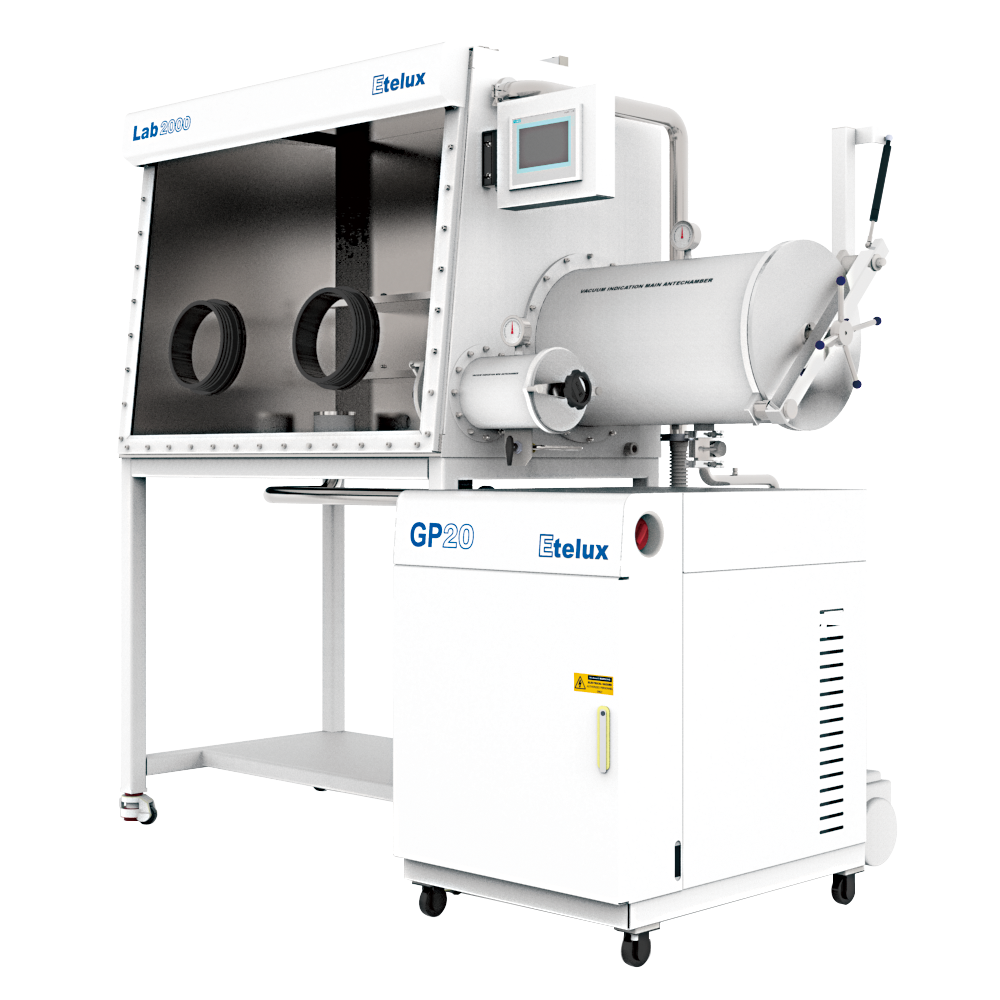
A well-sized chamber paired with a high-performance antechamber often beats a huge chamber with mediocre transfer and recovery.
Practical takeaway: if your daily work involves frequent transfers, upgrade transfer performance before you upgrade chamber volume.
List the tasks that must happen inside:
Then define the space you actually need to operate comfortably:
Tip: include elbow room. If operators feel cramped, they move awkwardly and make mistakes. But avoid sizing for “everything we might do someday.”
Decide what is allowed to live inside the glovebox long-term:
If you plan to store many items, you must also plan:
Rule: the more you store inside, the more you should expect to pay in stability and consumables.
Your transfer behavior determines your required antechamber performance:
If you transfer often, prioritize:
In many setups, an upgraded antechamber gives a higher ROI than a bigger main chamber.
Before choosing “bigger,” ask:
No account yet?
Create an Account