Worldwide shipping
Shipping & Returns
Quality assured
Find retail locations
Expert support
For All Your Questions
Fast and secure
For All Your Questions

Shipping & Returns
Find retail locations
For All Your Questions
For All Your Questions
In case we have not met, I’m Alexa Williams, Ask Alexa. I have worked here at Etelux for almost 15 years establishing great relationships with our customers and partners. Throughout my career at Etelux, I have had the pleasure of advocating for you, the customer, to make sure that you are taken care of. Most of the time, I am the friendly voice that answers the corporate phone line, so if we have not met in person, I’m sure we have talked. This form is to reach me directly, and I will respond as soon as I can. You can ask me anything, such as questions about our enclosures, help with which replacement parts to order, certification questions, etc…
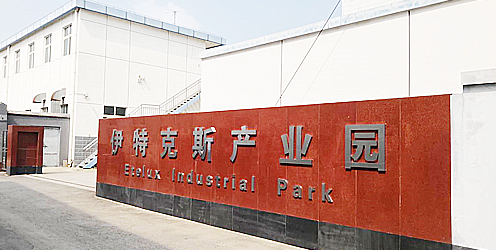
Serving the Chinese scientific industry for over 15 years, discover how quality products, competitive pricing, and next day delivery allow us to achieve our mission “Enabling Technology for a Better World ".
Ultricies eu consectetur vitae donec scelerisque ante a ut morbi aptent tincidunt est non sagittis ut.




Shipping & Returns
Find retail locations
For orders above $100
For All Your Questions

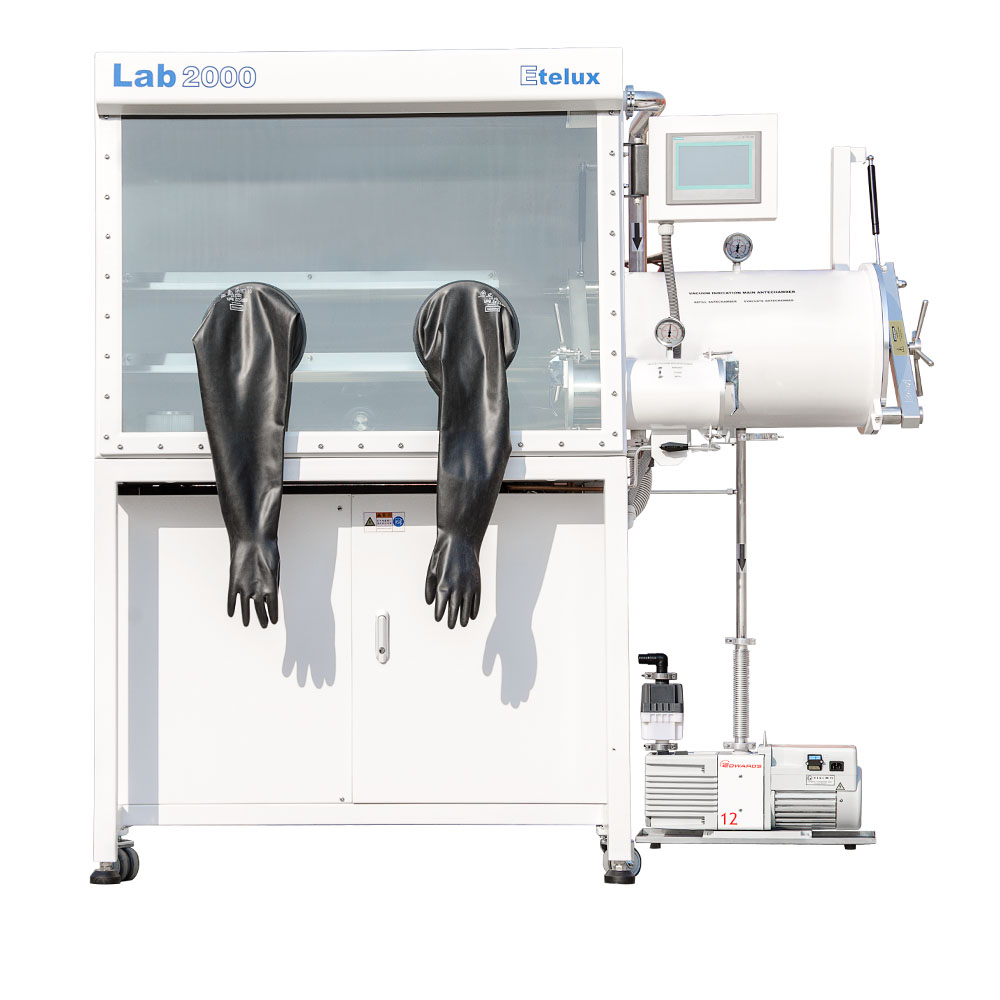
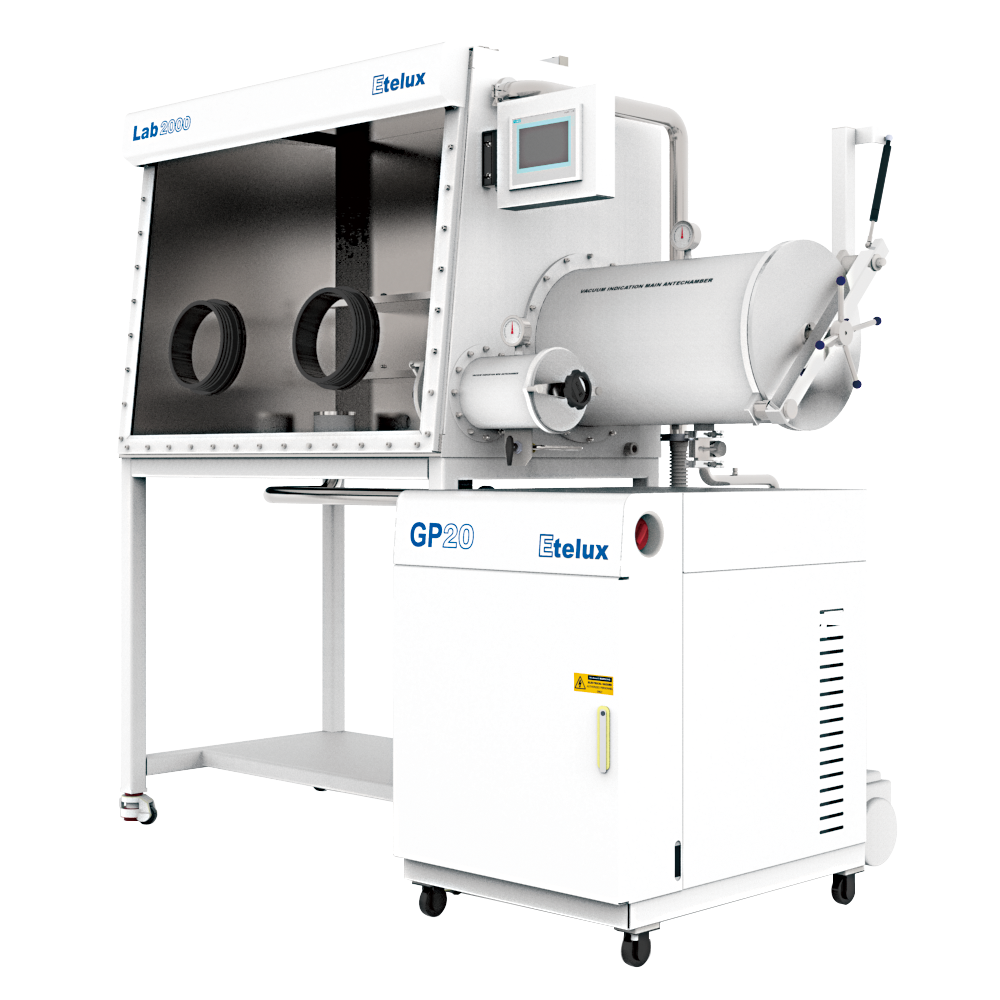
Most people judge a glovebox by purchase price and headline ppm. Then reality hits: the real money drain isn’t the machine—it’s the instability tax you pay over time through waiting, rework, consumables, and downtime.
This post gives you a practical way to evaluate gloveboxes as a productivity system, not a spec-sheet trophy.
1) Waiting cost (transfer + recovery delays)
Slow antechamber evacuation and slow recovery means operators spend real time doing… nothing.
Not 5 minutes once in a while—hours per month over a year.
2) Rework cost (yield instability)
Even with “good ppm,” fluctuations in moisture/oxygen and temperature can cause inconsistent outcomes:
Rework is expensive because it burns materials + labor + schedule at the same time.
3) Consumables cost (purifier load, filters, gloves, seals)
Transfers that introduce moisture/solvent vapor accelerate purifier and filtration burden.
Gloves and seals age faster under harsher workflows.
You think you’re buying a glovebox—often you’re buying a consumption rate.
4) Risk cost (the “one wrong valve” event)
If there’s no interlock / anti-mistake logic, sooner or later someone opens something in the wrong order.
That can turn into a full contamination event: cleanup, purge, downtime, and lost samples.
Estimate just three numbers:
Example logic:
The takeaway is simple:
A glovebox that looks “more expensive” upfront can be cheaper overall if it reduces waiting + rework + contamination risk.
1) Antechamber performance + automated purge cycles
Faster evacuation and repeatable cycling reduces operator waiting and variability.
2) Interlocks, alarms, and clear state logic
You don’t want “be careful.” You want “the system prevents the mistake.”
3) Temperature control and thermal uniformity
If you do coating, evaporation, curing, annealing, or sensitive synthesis, temperature stability is often the difference between “works” and “reproducible.”
No account yet?
Create an Account