Worldwide shipping
Shipping & Returns
Quality assured
Find retail locations
Expert support
For All Your Questions
Fast and secure
For All Your Questions

Shipping & Returns
Find retail locations
For All Your Questions
For All Your Questions
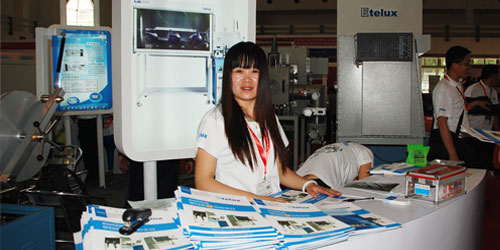
In case we have not met, I’m Alexa Williams, Ask Alexa. I have worked here at Etelux for almost 15 years establishing great relationships with our customers and partners. Throughout my career at Etelux, I have had the pleasure of advocating for you, the customer, to make sure that you are taken care of. Most of the time, I am the friendly voice that answers the corporate phone line, so if we have not met in person, I’m sure we have talked. This form is to reach me directly, and I will respond as soon as I can. You can ask me anything, such as questions about our enclosures, help with which replacement parts to order, certification questions, etc…
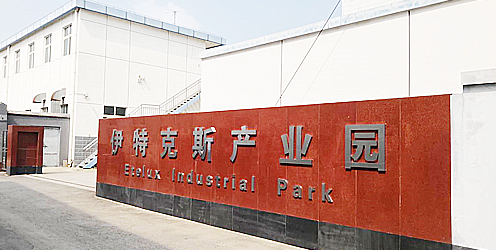
Serving the Chinese scientific industry for over 15 years, discover how quality products, competitive pricing, and next day delivery allow us to achieve our mission “Enabling Technology for a Better World ".
Ultricies eu consectetur vitae donec scelerisque ante a ut morbi aptent tincidunt est non sagittis ut.



Shipping & Returns
Find retail locations
For orders above $100
For All Your Questions

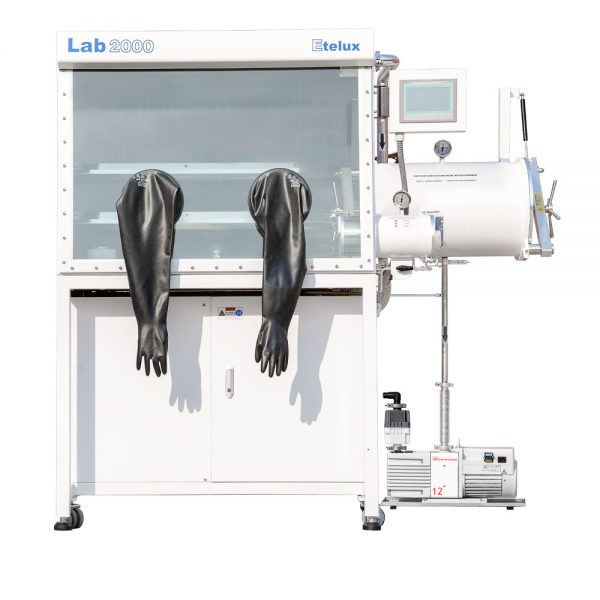
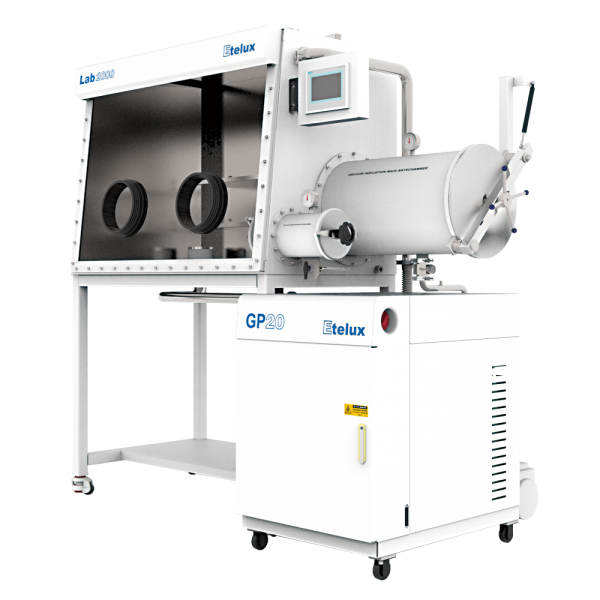
A glovebox can show great numbers—until your process starts failing for reasons that feel random: inconsistent yields, surface discoloration, unstable reactions, or parts that “should” be dry but clearly aren’t.
In many cases, the glovebox is not “bad.”
The problem is that buyers assume contamination only enters through the door. In reality, contamination often travels through less obvious pathways inside the system.
This short guide breaks down the most common hidden contamination routes—and what to check before you buy (or when you’re troubleshooting).
Every transfer is a potential oxygen/moisture import event. Even if you evacuate once, residual air can remain:
What to look for
Questions to ask suppliers
Many items introduced into a glovebox look dry, but they carry moisture and volatiles:
This is why your glovebox may read fine at first, then “drifts worse” over time.
What to look for
Questions to ask
Even if your sensor shows low ppm, localized pockets can exist:
If circulation is weak, you can have micro-environments that are worse than the displayed value—leading to inconsistent outcomes.
What to look for
Questions to ask
Electrical and utility feedthroughs are essential—but they’re also common sources of small leaks or diffusion, especially if:
These issues often appear as “mysterious instability,” not as a dramatic failure.
What to look for
Questions to ask
Even with a great glovebox, small habits can sabotage performance:
A well-designed glovebox reduces human error with:
Questions to ask
If you only ask five things, ask these:
Your glovebox isn’t just a box filled with inert gas.
It’s a system where transfers, materials, circulation, connections, and workflows decide whether you stay clean—or slowly drift into instability.
If you want consistent results, don’t only buy low ppm.
Buy:
No account yet?
Create an Account