Worldwide shipping
Shipping & Returns
Quality assured
Find retail locations
Expert support
For All Your Questions
Fast and secure
For All Your Questions

Shipping & Returns
Find retail locations
For All Your Questions
For All Your Questions

In case we have not met, I’m Alexa Williams, Ask Alexa. I have worked here at Etelux for almost 15 years establishing great relationships with our customers and partners. Throughout my career at Etelux, I have had the pleasure of advocating for you, the customer, to make sure that you are taken care of. Most of the time, I am the friendly voice that answers the corporate phone line, so if we have not met in person, I’m sure we have talked. This form is to reach me directly, and I will respond as soon as I can. You can ask me anything, such as questions about our enclosures, help with which replacement parts to order, certification questions, etc…
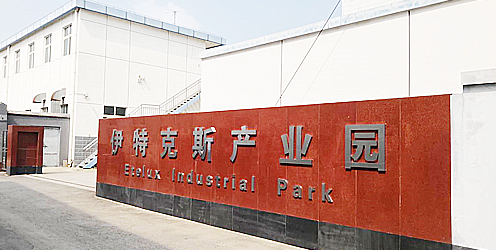
Serving the Chinese scientific industry for over 15 years, discover how quality products, competitive pricing, and next day delivery allow us to achieve our mission “Enabling Technology for a Better World ".
Ultricies eu consectetur vitae donec scelerisque ante a ut morbi aptent tincidunt est non sagittis ut.



Shipping & Returns
Find retail locations
For orders above $100
For All Your Questions

| Situation | Minimum setup | Add-ons that help |
|---|---|---|
| General antechamber duty (low solvent) | Oil-mist filter with drain return | Short exhaust stub; periodic ΔP checks |
| Noticeable odor / small lab | Oil-mist filter → duct to hood/outdoor | Larger duct, smooth bends; check backpressure |
| Solvent-rich transfers | Oil-mist filter | Cold trap −20 to −50 °C + charcoal before pump |
| Milky pump oil / frequent regens | Oil-mist filter | Gas ballast, stricter trap maintenance |
| Cleanroom / sensitive neighbors | Oil-mist filter + duct | HEPA/charcoal module in the line; leak-tight joints |
| Symptom | Likely cause | Fast fix |
|---|---|---|
| Oil smell in room | Filter saturated / leaking joints | Replace element; reseal joints; check drain return |
| Oil spray near exhaust | Filter bypass (ΔP too high) | New element; verify correct orientation & seals |
| Milky oil | Condensed vapor in oil | Gas ballast on; increase trap use; change oil |
| Pump runs hot & loud | Exhaust restriction | Shorten/resize duct; check building static; clean filter |
| Box dew point creeping | Backstreaming through lines | Check anti-suckback; vent-before-shutdown habit; add inlet trap |
| Exhaust “chuffing” on stop | No check valve / bad one | Install/replace check or anti-suckback valve |
No account yet?
Create an Account